
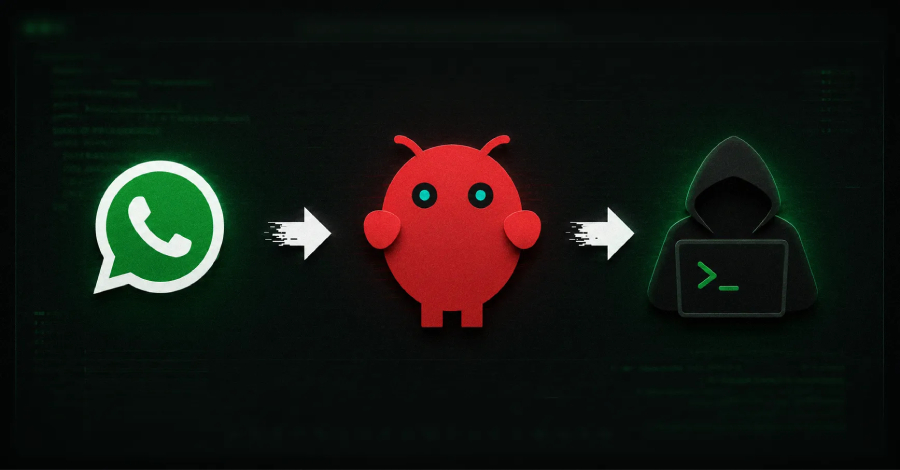

Details have emerged about three now-patched security flaws in the OpenClaw personal artificial intelligence (AI) assistant that, if successfully exploited, could enable credential theft, privilege escalation, and arbitrary code execution on the host.
A brief description of the high-severity vulnerabilities is as follows –
- GHSA-hjr6-g723-hmfm (CVSS score: 8.8) – An operating system command injection and an incomplete list of disallowed inputs vulnerability impacting the host execution environment filtering mechanism that could allow for executing or persist actions beyond the caller’s intended authorization.
- GHSA-9969-8g9h-rxwm (CVSS score: 8.8) – An operating system command injection and an incomplete list of disallowed inputs vulnerability impacting the host execution environment filtering mechanism that could allow for executing or persist actions beyond the caller’s intended authorization.
- GHSA-575v-8hfq-m3mc (CVSS score: 8.4) – A path traversal and link following vulnerability that could allow sandbox bind mounts to bypass parent-directory denylist checks and perform actions that should have been secured with stronger authorization or policy checks.
All three shortcomings have been addressed in OpenClaw version 2026.6.6.

In a series of advisories released last week, OpenClaw maintainers said “practical impact depends on the operator’s configuration and whether lower-trust input can reach that path.”
However, security researcher Chinmohan Nayak, who is credited with discovering and reporting the issues, said in a report shared with The Hacker News that they can be used to trigger host code execution from an external message sent via WhatsApp.

Unlike the Claw Chain vulnerabilities disclosed by Cyera back in May, the newly identified bugs do not require an attacker to establish a prior foothold in order to extract sensitive data, drop a persistent backdoor, obtain arbitrary remote code execution, and facilitate an escape to the host.
“`getBlockedReasonForSourcePath()` checks if the source path is under a blocked path,” the researcher explained about GHSA-575v-8hfq-m3mc. “But [it] never checks the reverse — whether a blocked path is under the source (parent directory bypass).”
Leave a Reply